
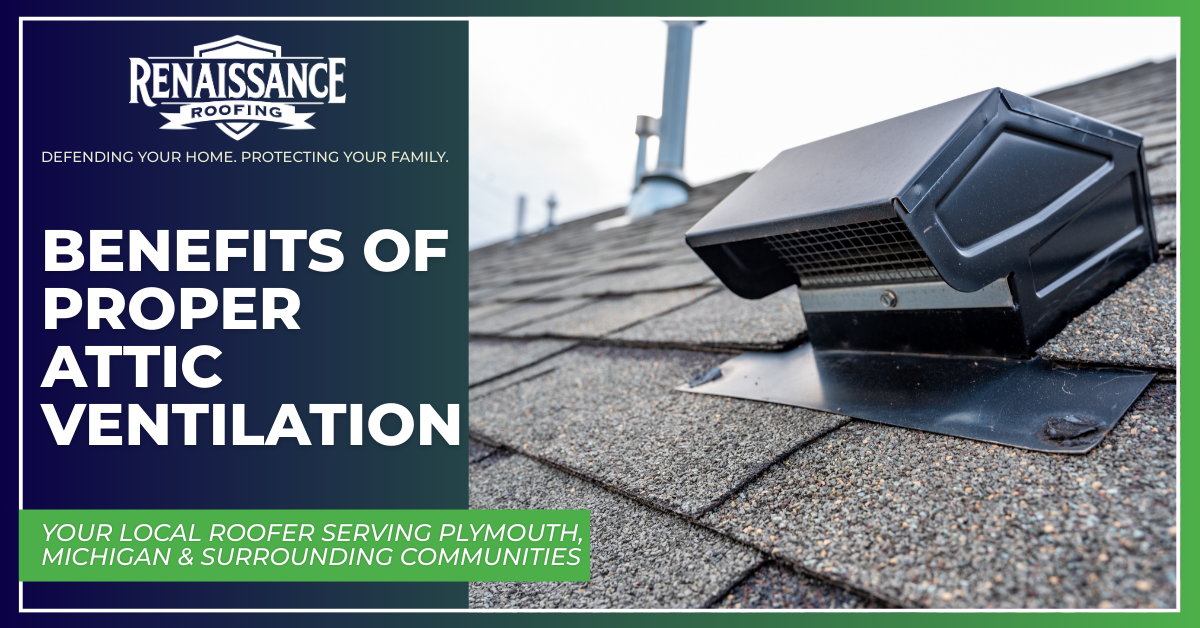
Properly installing a roof involves much more than putting on the shingles. Whether it’s in warm or cold climates, proper attic ventilation plays a key role in helping to make the roof system last longer and prevent many expensive issues from occurring inside and out of a building. Contractors should explain to homeowners why proper attic ventilation is so important with the benefits below. It serves two key functions:
Allows cool, fresh air to enter the attic at the eave or soffit areas of the roof
Exhausts hot, moist air from the attic by way of the ridge or other exhaust vents. This hot, moist air can cause a whole host of issues.
In cold climates, ventilation helps maintain a “cold” roof system by mixing cool outside air with attic air to allow for less snow melting on the roof, therefore avoiding damaging ice damming. In warm climates, proper attic ventilation helps expel hot air, which can contribute to moisture problems.
Here are some benefits of proper ventilation:
It helps reduce damaging moisture. Excessive moisture can build up in the attic, potentially damaging the structure and degrading the roof system. It can also lead to mold.
It can help save energy. Heat build-up in that attic comes at a cost—a home’s air conditioning has to work harder to cool down the house, especially the living space below the attic.
It helps prevent damage to the roof shingles. High attic heat can bake the shingle and cause them to prematurely age. In fact, most major shingle manufacturers strongly recommend proper attic ventilation on asphalt shingle installations.
Unfortunately, most homes in North America are improperly ventilated, which can result in mold, wasted energy, ice dams, premature roof system degradation, rotting decks, peeling paint, and ceiling stains.
The best way to keep a roof system working well and to help avoid the issues mentioned above is to install proper attic ventilation. Proper attic ventilation creates a balanced system using ridge vents or other exhaust vent in conjunction with intake vents installed at the eave, soffit, or fascia area of the roof. Intake ventilation is critical in ensuring the exhaust vents function properly. Without intake ventilation, most ridge or other exhaust vents can be rendered virtually useless.
0 Comments